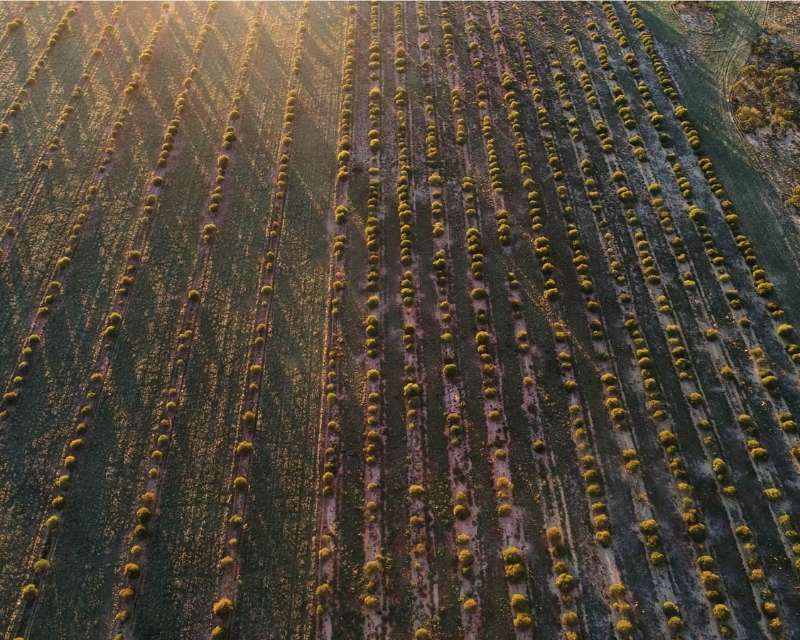
Our plantation management includes planting new seedlings to expand our plantations, harvesting mature trees, coppicing (to produce regenerative growth, increased biomass and multiple trunk development) and processing the harvested plant biomass.
Biomass processing by steam distillation, pyrolysis and condensation generates our value-added and environmentally sustainable product range, including high cineole-content eucalyptus oil, biochar and wood vinegar. We also produce Australian Carbon Credit Units (ACCUs) and CO2 Offset Certificates (CORCs) for sale through the growth, harvest and processing cycle of our mallee and other eucalypt plantations. Our plantations also provide significant environmental benefits by reducing soil and wind erosion; re-establishing natural ecosystems/habitat; and reducing water table levels and soil/water salinity.





What We Do
Planting
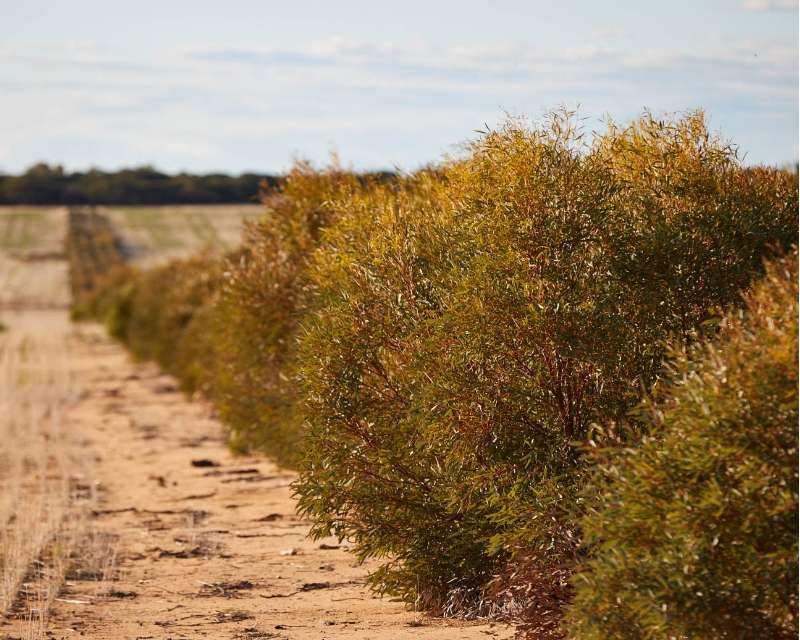
We plant mallee trees and other native Australian eucalypts that are perfectly suited for vigorous and healthy growth in the arid environment and high temperatures of the region.
Mallee trees are a multi-stemmed woody plant which develop from an underground woody structure called a lignotuber - more commonly known as a “mallee root”. Mallee trees of all types are native to Australia; several varieties selected by Fasera are either planted on our own farms, or on land owned by farmers with whom we have agreements in place and who benefit environmentally and financially.
Late in the 20th century and with increasing wind erosion, a rising water table and increased soil/water salinity associated with broad-acre farming and land clearing, astute and environmentally aware farmers commenced re-planting their farms with rows and contour banks of mallee trees. Mallee trees have always been part of the natural landscape and are admirably adapted to the dry climate and extreme heat.
The planted eucalyptus mallees were mainly Eucalyptus kochii and Eucalyptus loxophleba lissophloia. Both species are native to Western Australia and specifically to our area of operations. These trees have a high level of cineole content at 90 –95% and 70 –75% respectively. Eucalyptus kochii has the highest natural levels of cineole (eucalyptol) to be found amongst the more than 900 species of eucalypt that exist globally.
We plant our mallee seedlings either on our own farms or on land owned by farmers with whom we have an agreement and who benefit environmentally and financially. As well as reduced salinity levels - a critical problem in Western Australian farmlands - and the prevention of erosion, farm production is enhanced by the development of mallee tree windbreaks for crop and livestock protection. Financial benefits to farmers comprise either lease payments for tree planting areas or payments for biomass that is harvested and processed.
Mallee tree seedlings are in short supply and Fasera is partnering with seedling producers and nurseries to ensure consistent availability and supply. Additionally, Fasera is considering investing in the development of water-efficient greenhouses to meet the growing demand for seedlings to enable the progressive rehabilitation of millions of hectares of farmland, to sequester increasing amounts of carbon and to regenerate and renew large areas of degraded or marginal land.
Late in the 20th century and with increasing wind erosion, a rising water table and increased soil/water salinity associated with broad-acre farming and land clearing, astute and environmentally aware farmers commenced re-planting their farms with rows and contour banks of mallee trees. Mallee trees have always been part of the natural landscape and are admirably adapted to the dry climate and extreme heat.
The planted eucalyptus mallees were mainly Eucalyptus kochii and Eucalyptus loxophleba lissophloia. Both species are native to Western Australia and specifically to our area of operations. These trees have a high level of cineole content at 90 –95% and 70 –75% respectively. Eucalyptus kochii has the highest natural levels of cineole (eucalyptol) to be found amongst the more than 900 species of eucalypt that exist globally.
We plant our mallee seedlings either on our own farms or on land owned by farmers with whom we have an agreement and who benefit environmentally and financially. As well as reduced salinity levels - a critical problem in Western Australian farmlands - and the prevention of erosion, farm production is enhanced by the development of mallee tree windbreaks for crop and livestock protection. Financial benefits to farmers comprise either lease payments for tree planting areas or payments for biomass that is harvested and processed.
Mallee tree seedlings are in short supply and Fasera is partnering with seedling producers and nurseries to ensure consistent availability and supply. Additionally, Fasera is considering investing in the development of water-efficient greenhouses to meet the growing demand for seedlings to enable the progressive rehabilitation of millions of hectares of farmland, to sequester increasing amounts of carbon and to regenerate and renew large areas of degraded or marginal land.
What We Do
Harvesting
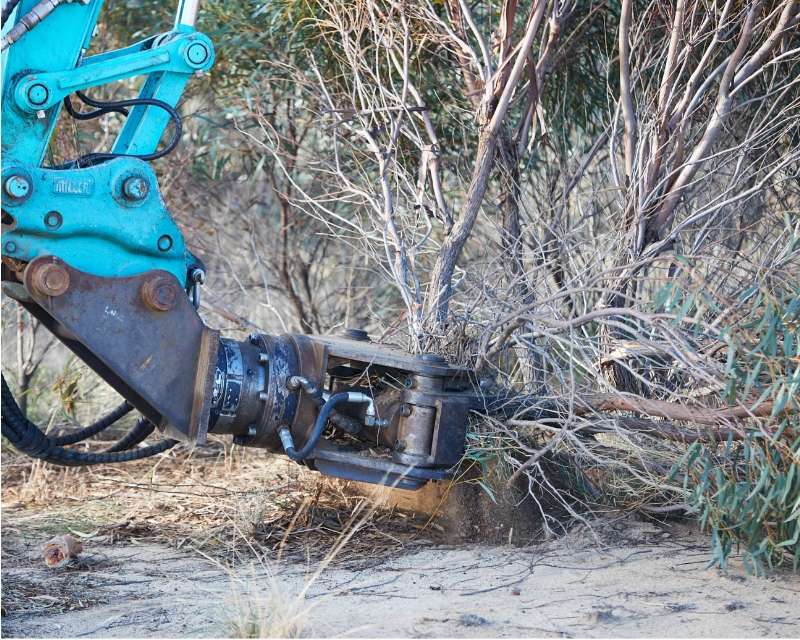
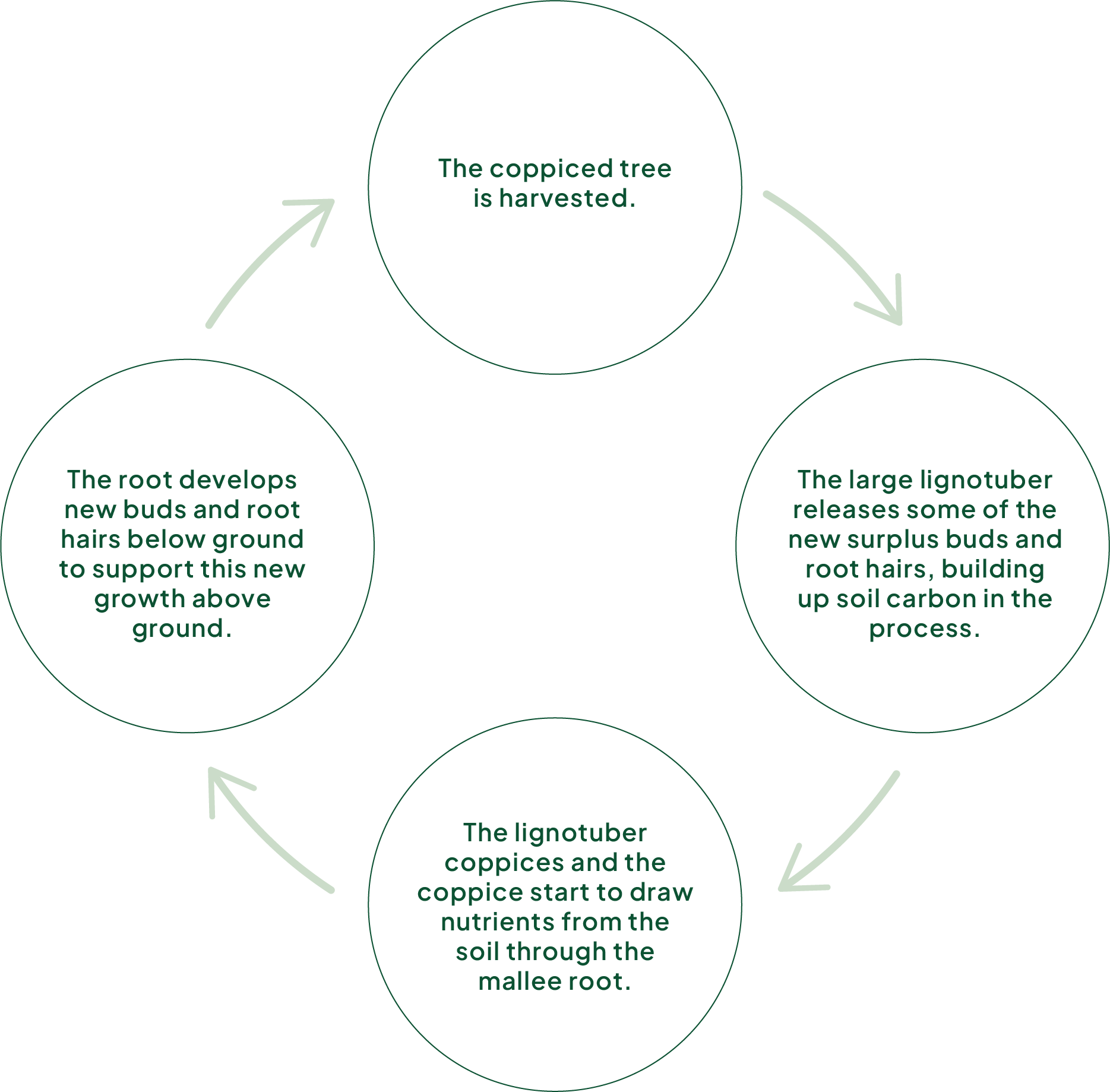
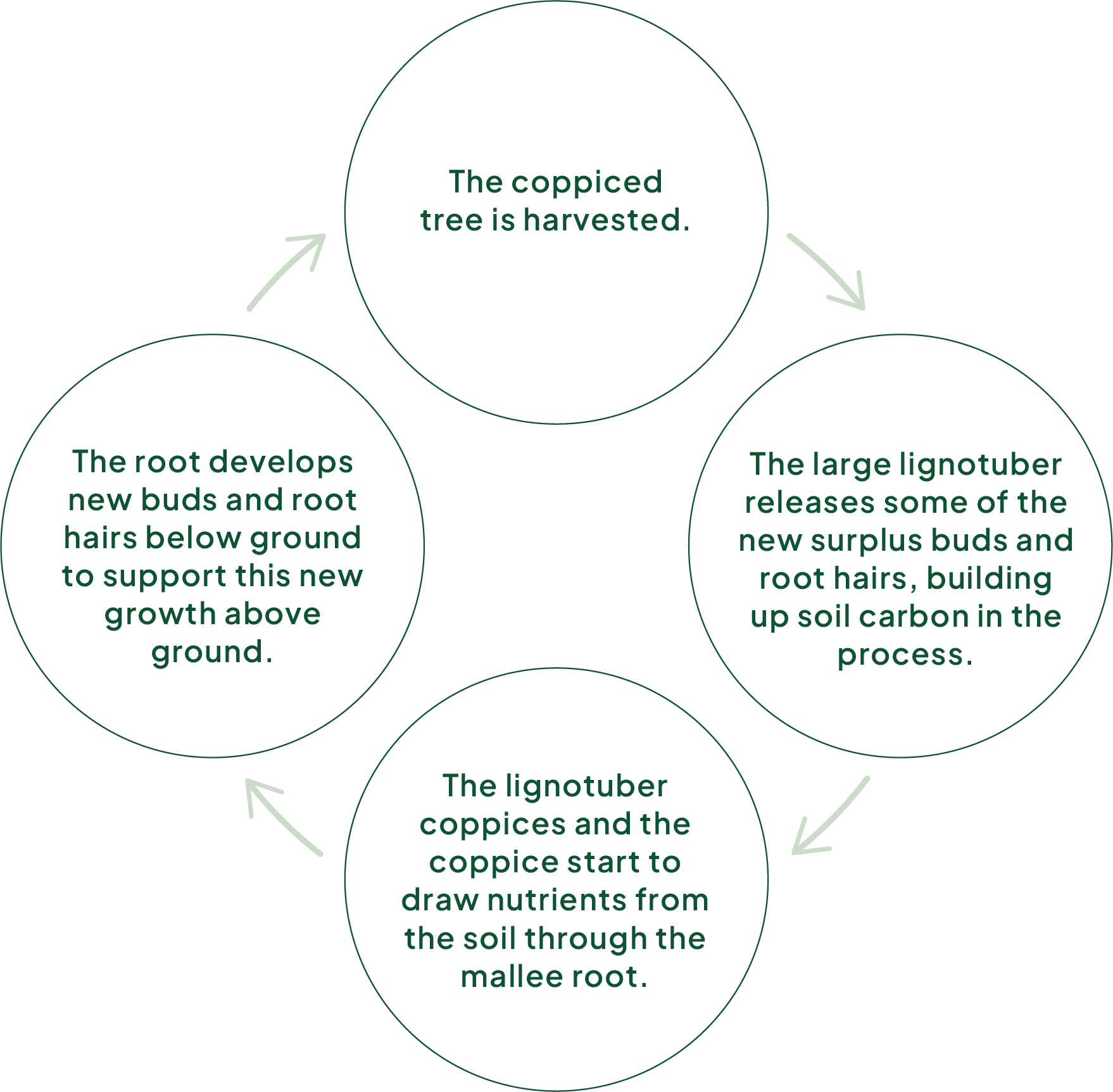
Coppicing is a sustainable forestry harvesting technique that we utilise to regenerate tree growth and to encourage multiple trunks on Mallee trees and increase biomass growth, leading to an ongoing cycle of increasing harvests in the future. In parts of Australia, Oil Mallees have already been harvested for in excess of 100 years and are producing more biomass and oil now than they have previously due to increases in knowledge of plant and soil health.
Mature mallees are harvested by shearing their trunks at ground level. Regrowth (coppicing) occurs from the well-developed mallee ligno-tuber below the surface to form a dense two metre shrub of healthy green biomass over a two to three year period. An increasing amount of biomass is harvested with each harvest cycle and is processed to produce eucalyptus oil, wood vinegar and biochar.
Harvesting coppiced trees after regeneration is simpler and more economical than harvesting a tree which has been left to mature, because there is only green biomass (leaves and twigs) which can be effectively harvested using a mechanical forage harvester. In addition, the young green biomass has a higher oil content, typically yielding 1.5% eucalyptus oil compared to an average 1.0% yield from mature tree biomass. Tree coppicing also initiates a continuous cycle of increased carbon sequestration capacity, locking away considerably more carbon year upon year over time than if individual trees were left to mature.
Fasera has access to an estate of ~2,000 Ha of coppiced trees yielding about 3,333 tonnes of green biomass per annum.
Harvesting coppiced trees after regeneration is simpler and more economical than harvesting a tree which has been left to mature, because there is only green biomass (leaves and twigs) which can be effectively harvested using a mechanical forage harvester. In addition, the young green biomass has a higher oil content, typically yielding 1.5% eucalyptus oil compared to an average 1.0% yield from mature tree biomass. Tree coppicing also initiates a continuous cycle of increased carbon sequestration capacity, locking away considerably more carbon year upon year over time than if individual trees were left to mature.
Fasera has access to an estate of ~2,000 Ha of coppiced trees yielding about 3,333 tonnes of green biomass per annum.
What We Do
Oil Production
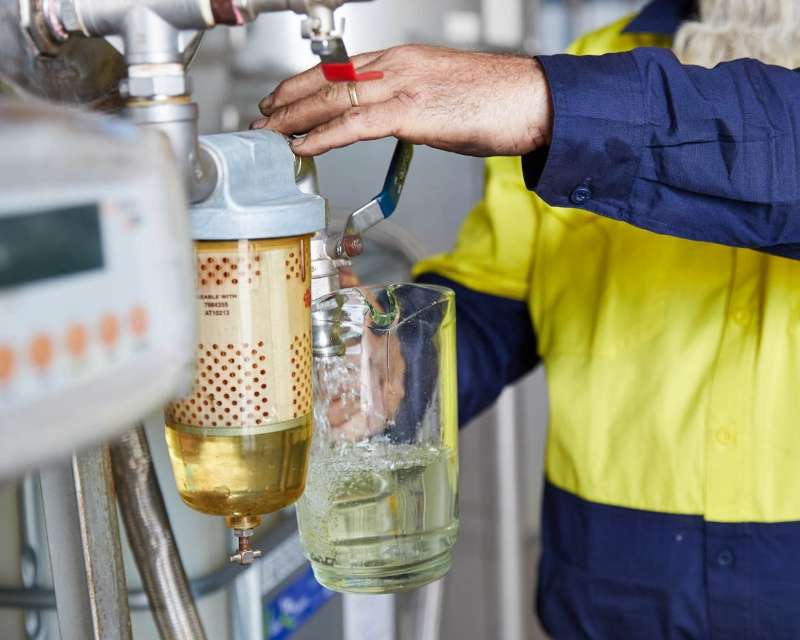
Our oil has a very high cineole (eucalyptol) content due to the unique qualities of our oil mallees and very low levels of impurities due to the temperature controlled steam distillation process we use to extract oil.
The Production Process
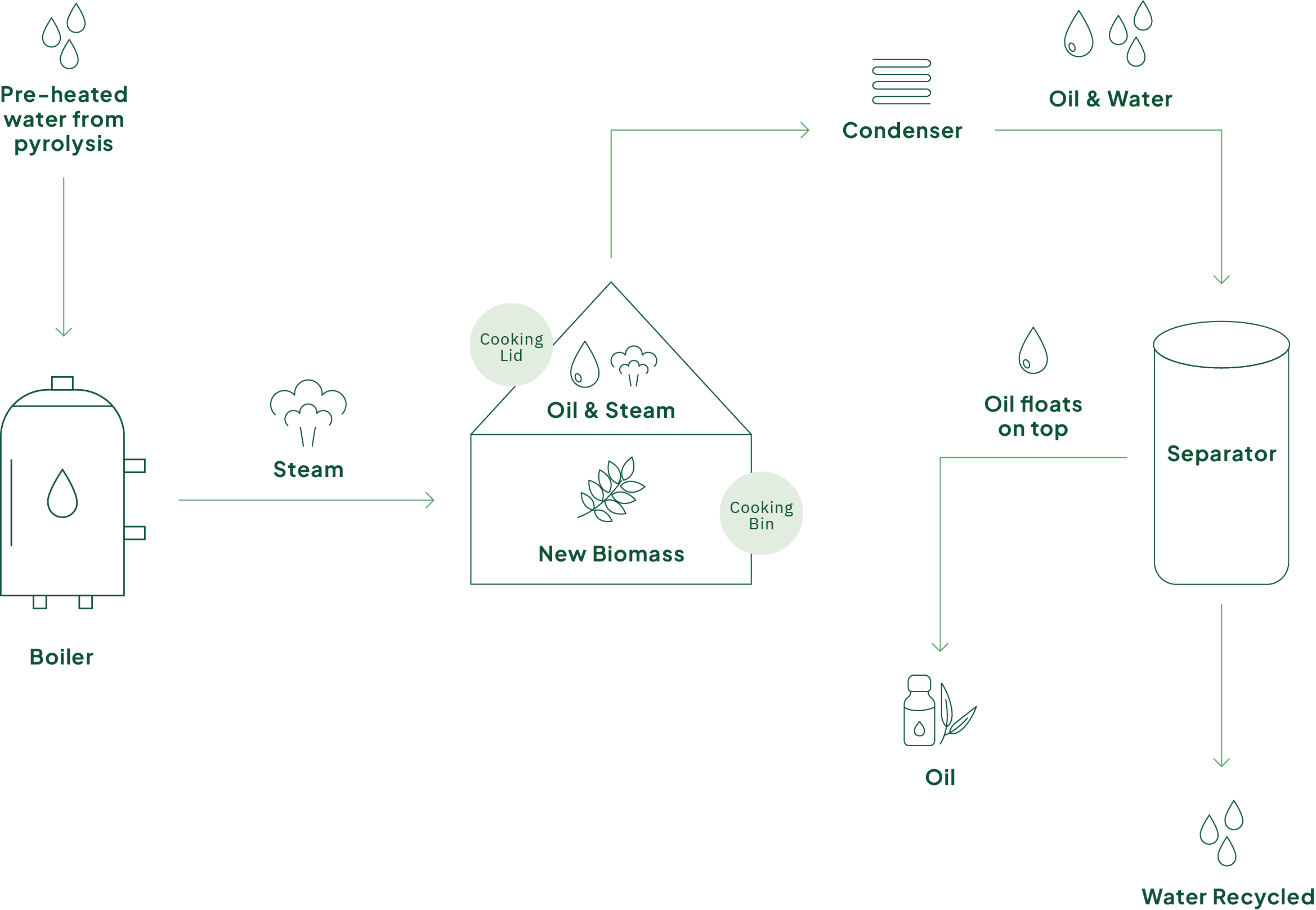
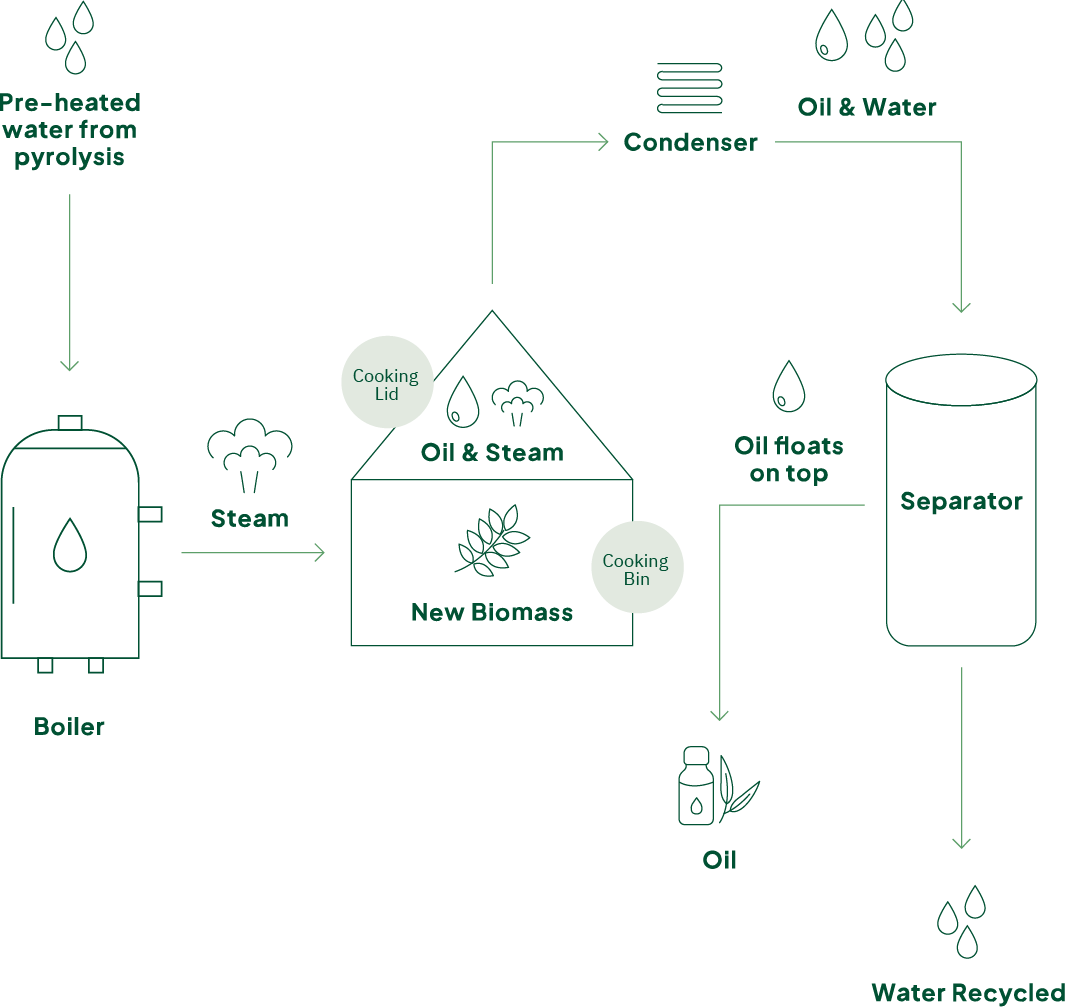
Green biomass harvested from our oil mallee tree plantations is chipped and transported to our distillery and steam distilled to extract eucalyptus oil. The steam temperature during distillation is carefully controlled at between 90°C and 100°C to ensure that oil is of the highest quality. Steam distillation results in higher oil yields, reduces the occurrence of oil impurities and minimises the loss of polar compounds compared to using hydro-distillation or solvent extraction techniques to produce oil. Once extracted, our eucalyptus oil is packaged or processed in-house into our wide range of products.
Currently, we sell about 95% of our eucalyptus oil products in bulk to Australian and international customers. Our remaining sales are to retail consumers through our dedicated

100% Australian Eucalyptus Oils
Our sales of higher value oils to individual retail customers are growing rapidly. We are progressing plans to construct Australia’s first essential oil rectification tower at our Canterbury Farm, Kulja to produce eucalyptus essential oil/eucalyptol from our extracted eucalyptus oil.
What We Do
Pyrolysis
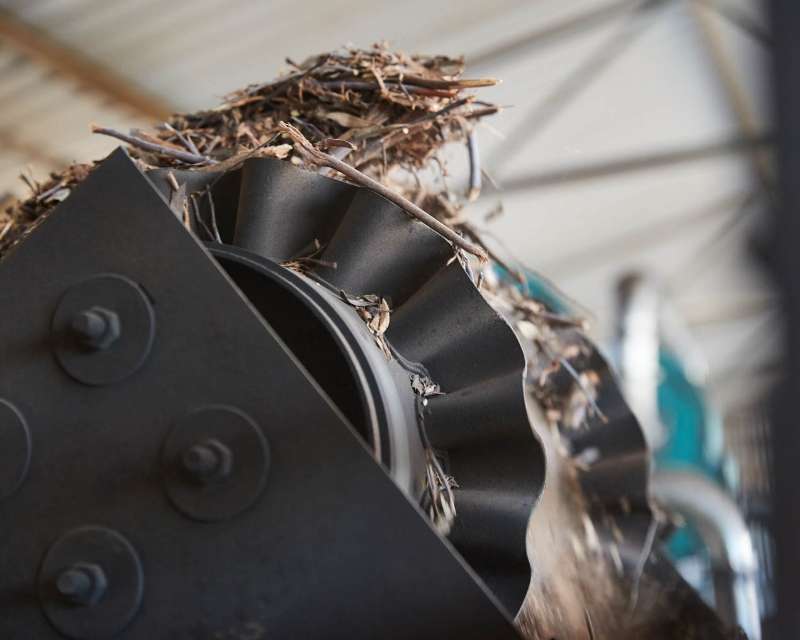
After oil is extracted from harvested mallee trees, the biomass remaining after steam distillation is left to dry then transferred to the pyrolysis plant where it is pyrolysed to produce biochar and wood vinegar.
Each tonne of spent biomass that is pyrolysed produces about 300 Kg of Bone-Dry Biochar (BDC). We produce about 2,000 tonnes of BDC per annum from spent biomass generated from the production of 100,000 Kg of eucalyptus oil. Pyrolysis produces smoke and other emissions which we extract from the combustion chamber to produce wood vinegar.
Our pyrolysis plant comprises a single continuous-pyrolysis char machine. Planning is underway to install and commission an additional two char machines by FY2026/27.
Our pyrolysis plant comprises a single continuous-pyrolysis char machine. Planning is underway to install and commission an additional two char machines by FY2026/27.
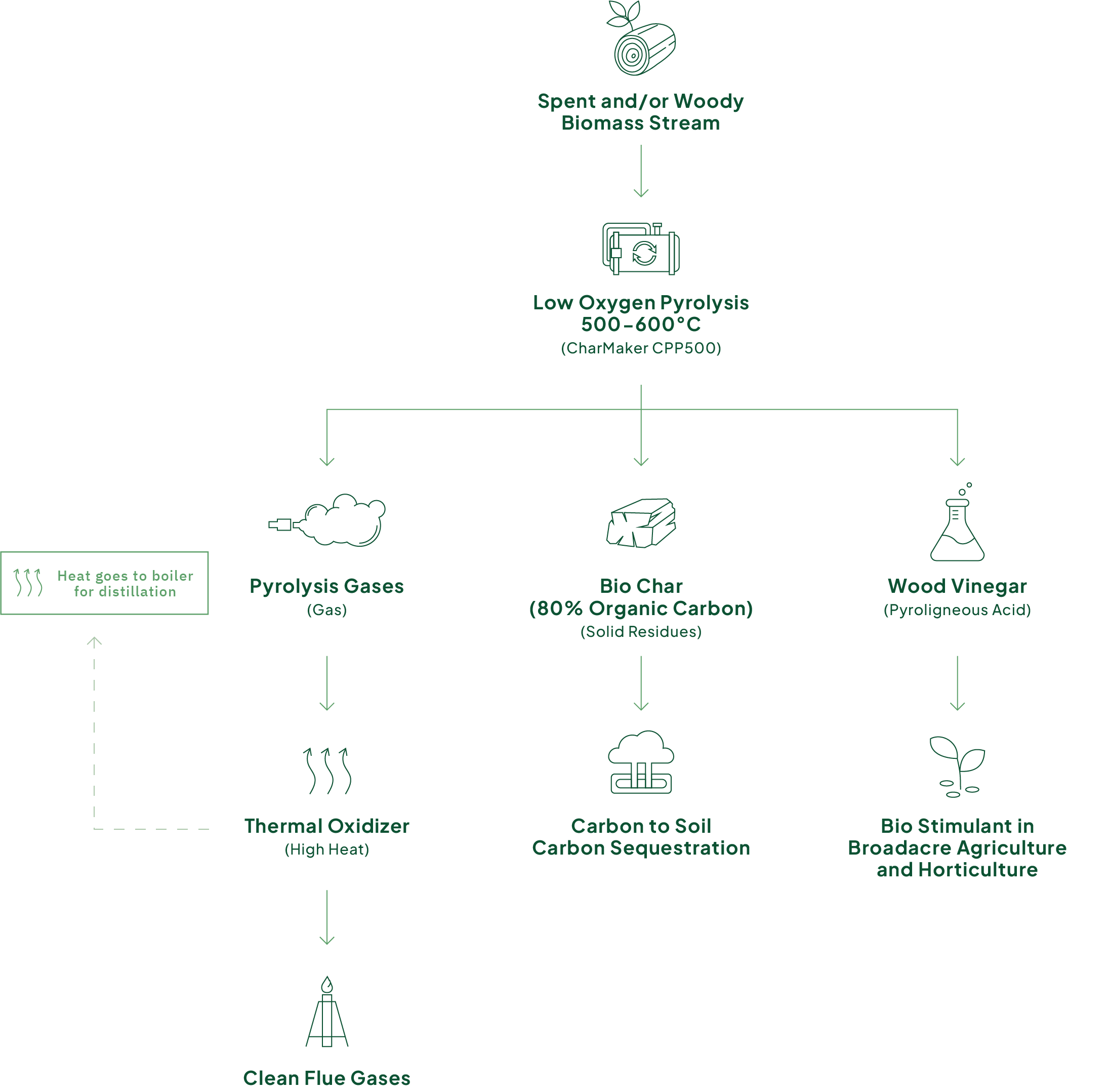
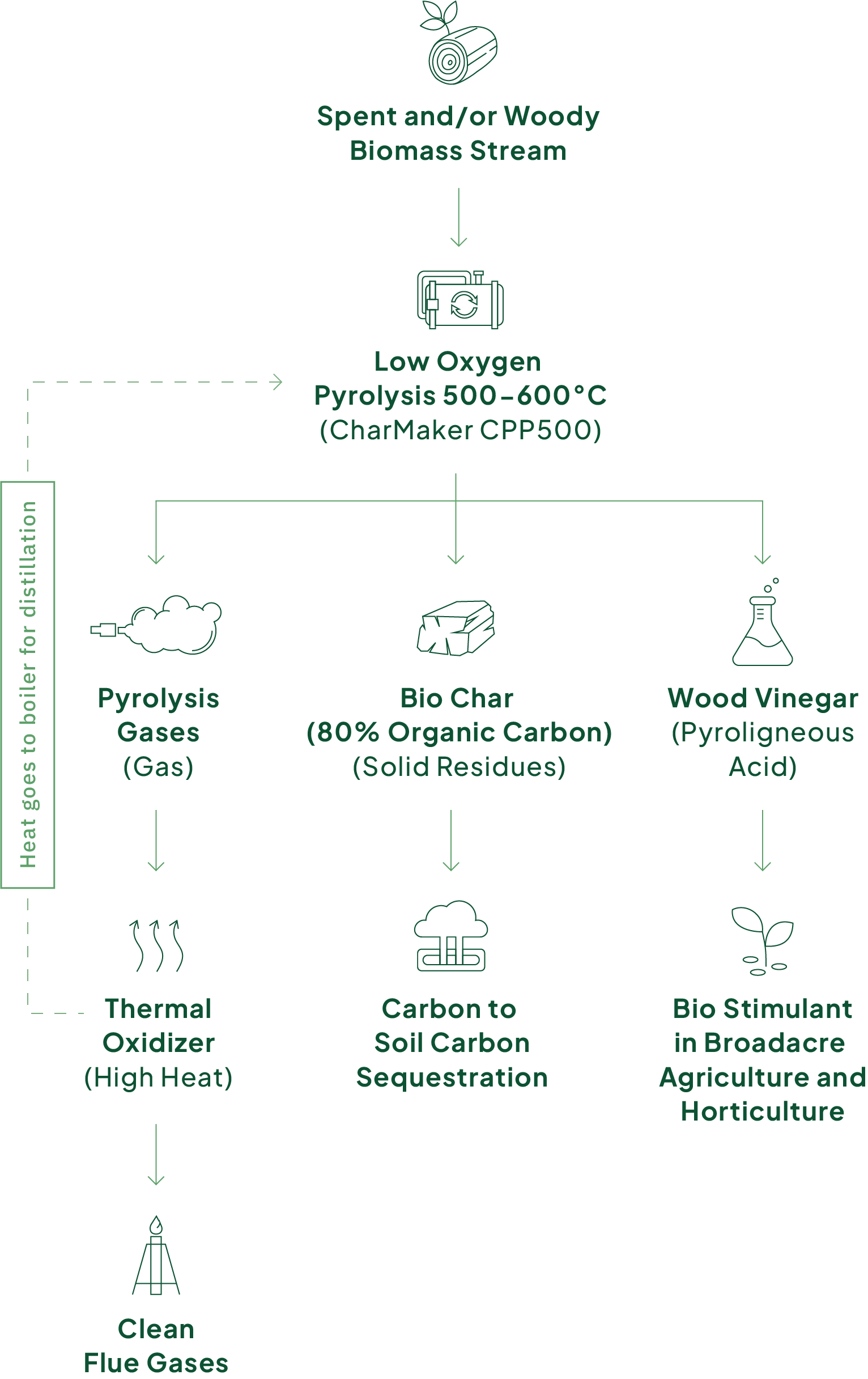
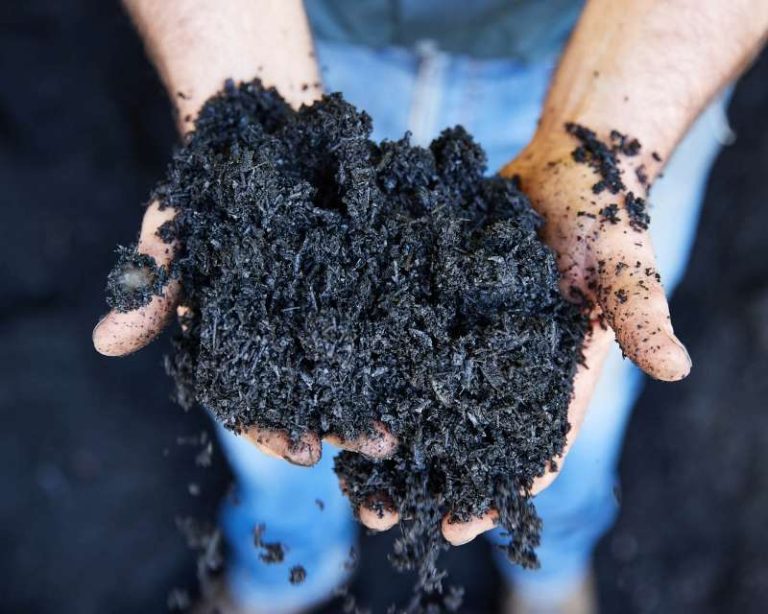
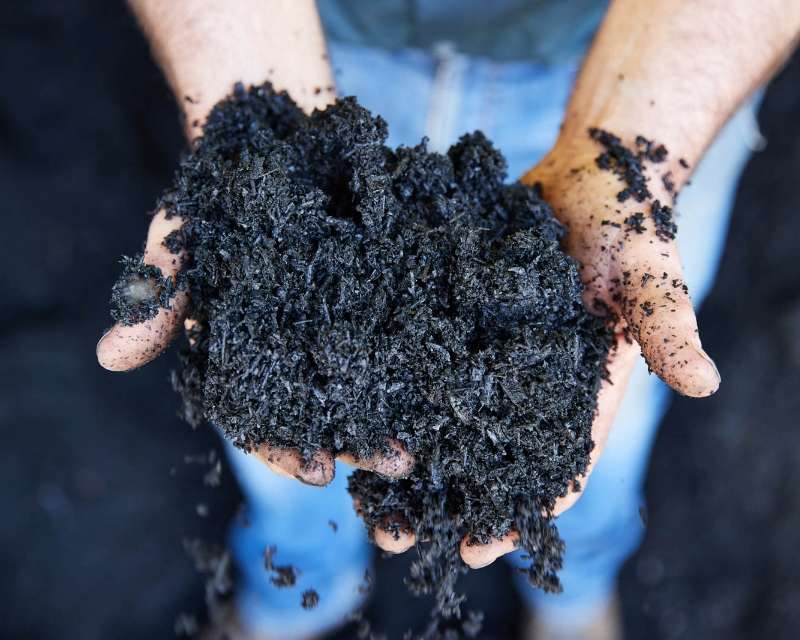
Biochar is the lightweight black residue, made of carbon and ash, which is used to enhance the ability of soils to hold and maintain water when applied.
Studies have proved that biochar increases the productivity of ruminant livestock when used as a feed additive. It acts as a buffer, increasing the efficiency of the rumen process in addition to significantly increasing the surface area in the rumen for healthy bacteria to proliferate. It also reduces the methane emissions as the more efficient rumen converts more feed into body mass.
Studies have proved that biochar increases the productivity of ruminant livestock when used as a feed additive. It acts as a buffer, increasing the efficiency of the rumen process in addition to significantly increasing the surface area in the rumen for healthy bacteria to proliferate. It also reduces the methane emissions as the more efficient rumen converts more feed into body mass.
Syngas is a gas that can be used to generate renewable energy which can become a local power source or be fed into a microgrid. It can also be salvaged and used in combustion engines. Fasera is investigating the production of Syngas from Pyrolysis machines planned for delivery within the next 5 years.
Wood Vinegar is a bio-stimulant that has been used historically in the horticultural industry to facilitate germination. It also has beneficial properties in the broader agricultural industry where recent experiments have shown that it successfully controls snails in legume crops and allows plants to more effectively process other inputs.
The process of pyrolysis generates heat of between 450 and 700 degrees Celsius in the combustion chamber and up to 1400 degrees Celsius in the thermal oxidizer. This heat is another resource that can power new opportunities on Fasera’s farmland and generate new industries.
The latent heat generated through the pyrolysis process can be used to desalinate the massive reservoir of underground saline water that sits below the West Australian wheatbelt.
The latent heat generated through the pyrolysis process can be used to desalinate the massive reservoir of underground saline water that sits below the West Australian wheatbelt.
What We Do
Carbon Removal
ACCUs
Australian Carbon Credit Units (ACCUs) are issued to eligible carbon projects by the Australian Government Clean Energy Regulator. Fasera sells ACCUs to companies looking to offset emissions they cannot yet reduce, providing a verified Australian pathway for climate action through high-integrity carbon projects.
CORCs and international carbon credits
Fasera is accredited to issue compliant CORCs, or similar international carbon credits, through its biochar production. This accreditation is supported by a Life Cycle Assessment of Fasera’s Australian activities, along with audit and validation confirming that its biochar production meets recognised carbon credit standards. These high-quality, verified credits provide access to international carbon offset markets, where integrity and traceability attract strong value.
What We Do

Terrestrial Storage of Biomass
Fasera’s Western Australian properties include dedicated biomass storage chambers designed to support long-term carbon removal. Instead of managing excess woody biomass through burning, the material is stored underground in controlled, stable conditions.
Keeping carbon stored for the long term
This process helps preserve the organic carbon captured by the trees during growth, creating a long-term storage pathway that can keep carbon locked away for over 1,000 years. Alongside Fasera’s oil mallee plantations, biochar production and carbon credit projects, terrestrial biomass storage strengthens the company’s circular and high-integrity approach to carbon removal.
How they fit together
The Full-Circle Process
Our team of experts locate and identify land perfect for being replanted with oil mallee seedlings in environmental plantings which regenerate landscapes, reduce salinity and prevent erosion.

Our team of experts locate and identify land perfect for being replanted with oil mallee seedlings in environmental plantings which regenerate landscapes, reduce salinity and prevent erosion.

At Fasera, we plant our mallee trees and other Eucalypt species on our own farms and land owned by farmers who share our vision on landscape rehab and benefit environmentally/financially through partnerships.

Mallee trees are a multi-stemmed woody eucalypt, endemic to Australia, which develop from an underground woody structure called a lignotuber - more commonly known as a “mallee root”.
Coppicing is a sustainable forestry technique that utilises nature’s regeneration properties, encouraging multiple trunk development and increased biomass growth, resulting in improved and increasing yields over time for our entire product range.
Mature mallee trees are harvested by shearing their trunks at ground level, leaving the well-developed lignotuber below the soil surface which readily “coppices” into new growth.
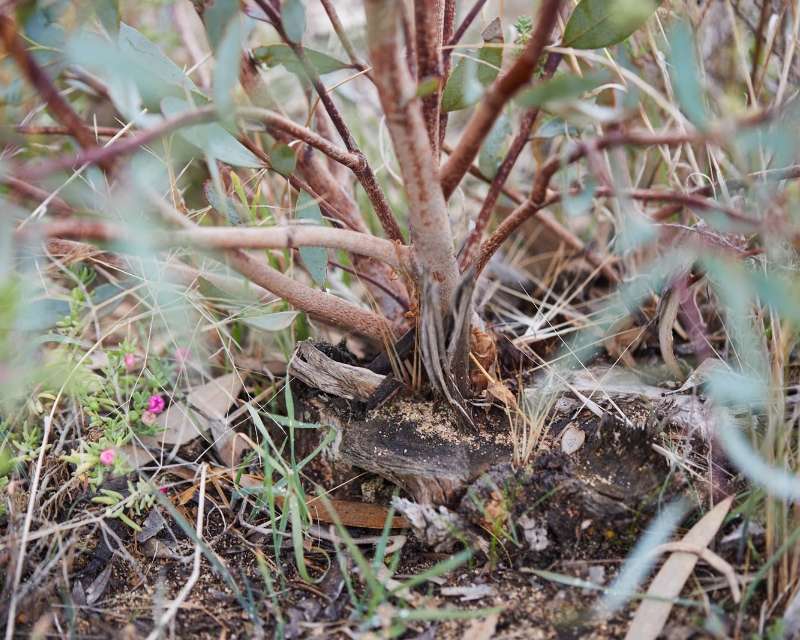
Mallee trees regrow (coppice) from the lignotuber to develop into a dense, multi-trunked 2-metre shrub of healthy green biomass over a two to three year period.

Harvesting coppiced trees after regeneration is simpler and more economical than harvesting a fully mature tree. They produce a thick, healthy green biomass of leaves and twigs which is easily harvested with a mechanical forage harvester.
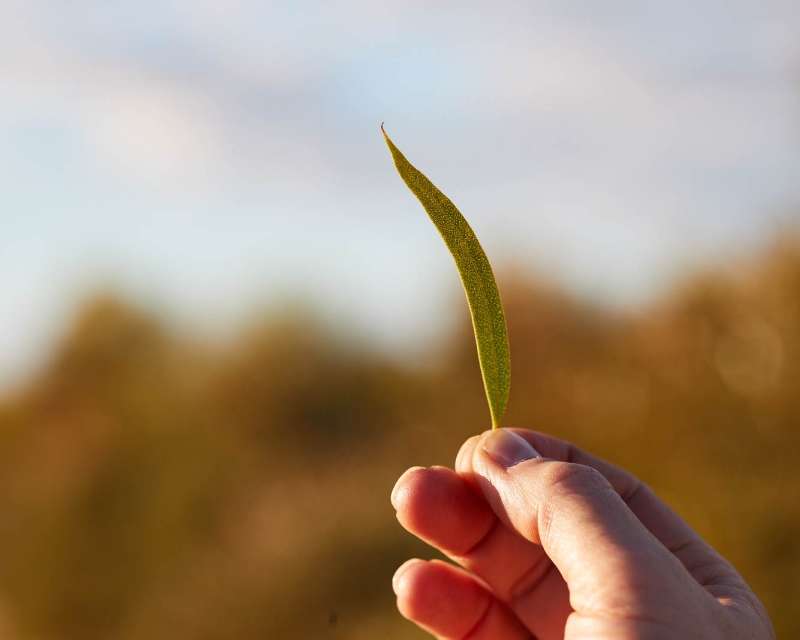
Younger, greener biomass has a higher (typically 1.5%) essential oil content versus an average 1.0% oil yield from mature tree biomass, meaning less harvesting is required to achieve the same result.

Coppicing also initiates a continuous cycle of atmospheric carbon capture and sequestration that locks away considerably more carbon over time than if trees are left to mature, where captured carbon peaks and then stabilises.

Harvested green biomass is transported by road to the distillation plant.

The oil mallee green biomass is batch cooked by steam distillation to extract eucalyptus oil.
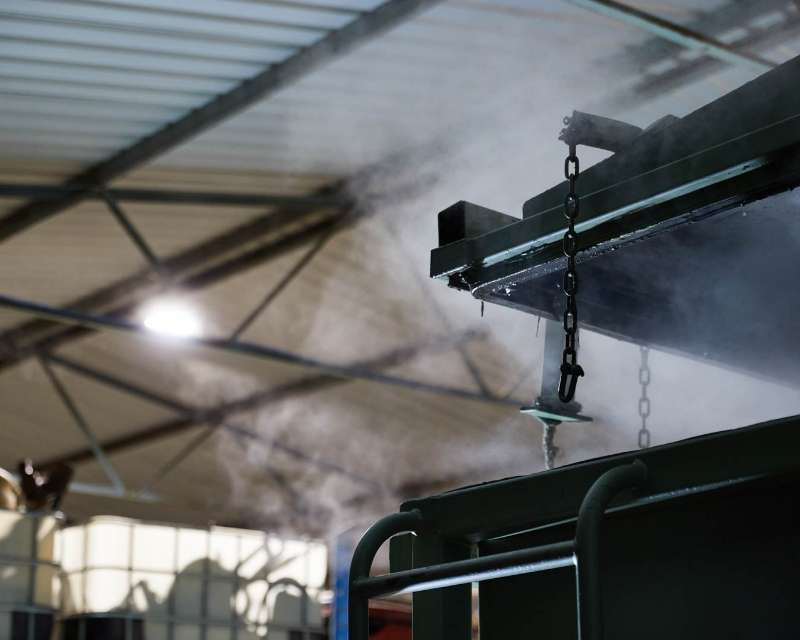
During the distillation process, the steam temperature is carefully controlled at between 90°C and 100°C to ensure the highest possible oil quality is achieved.
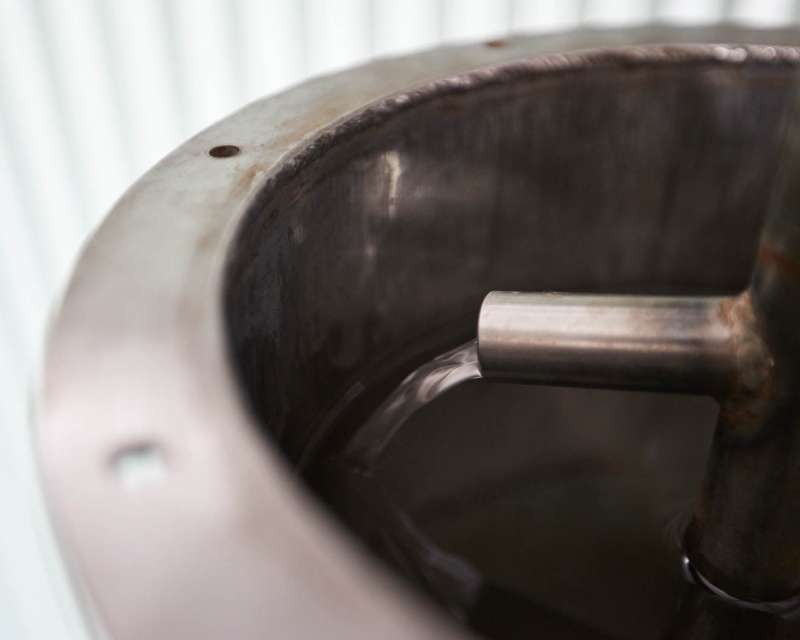
Traditional steam distillation - rather than hydro-distillation or solvent extraction - is used for oil extraction to ensure higher oil yields, to minimise oil impurities and to reduce the loss of polar compounds.
The extracted raw and traceable oil is then packaged, or is processed in-house into a wide range of products.

About 95% of our oil products are sold in Australia and internationally in bulk; the remaining 5% are sold to retail consumers through our company website https://shop.fasera.com/. Consumer direct retail sales of higher value oils are growing rapidly.

We are advancing plans to process our extracted eucalyptus oil into pure eucalyptol locally on our Canterbury Farm, at Kulja through the construction of Australia’s first essential oil rectification tower.

Spent eucalyptus biomass is dried and then used to produce biochar and wood vinegar through a side-by-side pyrolysis plant process, reducing transports, handling, and emissions.
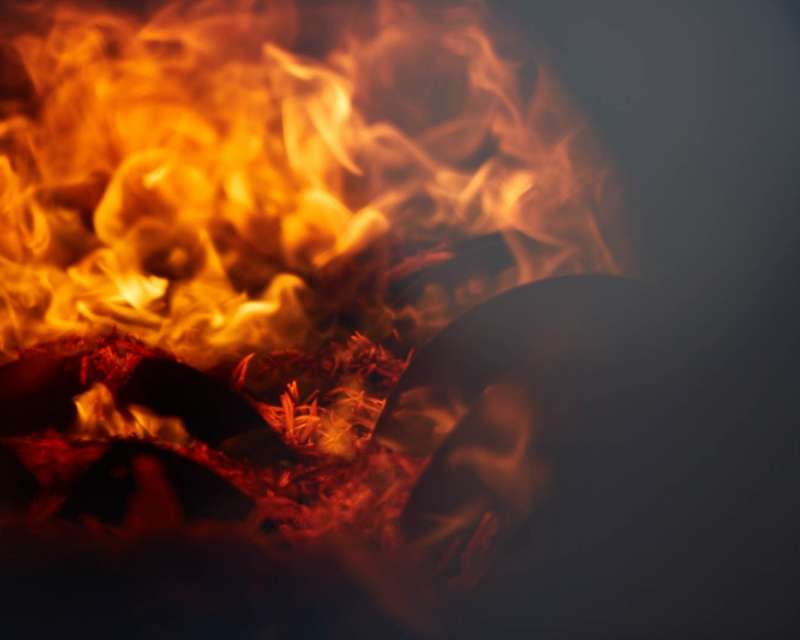
Pyrolysis is the thermal decomposition of our mallee biomass at high temperatures in an oxygen free environment to produce biochar, wood vinegar and carbon credits.
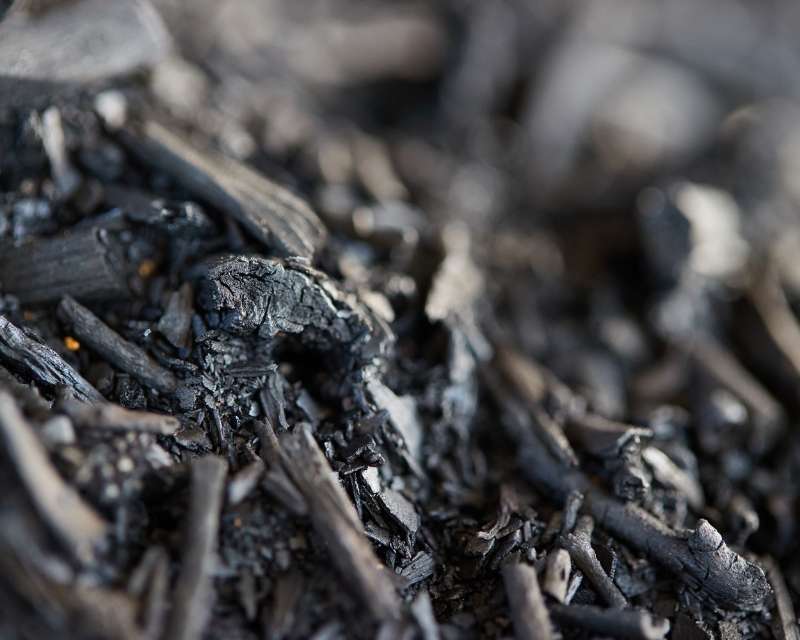
Each tonne of pyrolysed spent biomass produces 300 Kg of Bone-Dry Biochar (BDC). We can produce about 2,000 tonnes of BDC annually from the spent biomass generated by the distillation of 100,000 Kg of Eucalyptus oil.

The pyrolysis plant comprises a single continuous pyrolysis char machine. Fasera is progressing plans to bring an additional two machines online to have three machines operational by 2027.
Fasera has produced and sold ACCUs since 2010. We are continuing to progress work to achieve accreditation to be able to generate CORCs, or other internationally recognised carbon credits from our biochar production.
The accreditation process involves the completion of a Life Cycle Assessment on our Australian activities, as well as independent confirmation that our biochar production complies with the applicable standards for the various carbon credit options.
If you’re an investor, farmer or wholesale purchaser and would like to stay informed about our current and planned future projects, please subscribe to our newsletter.